
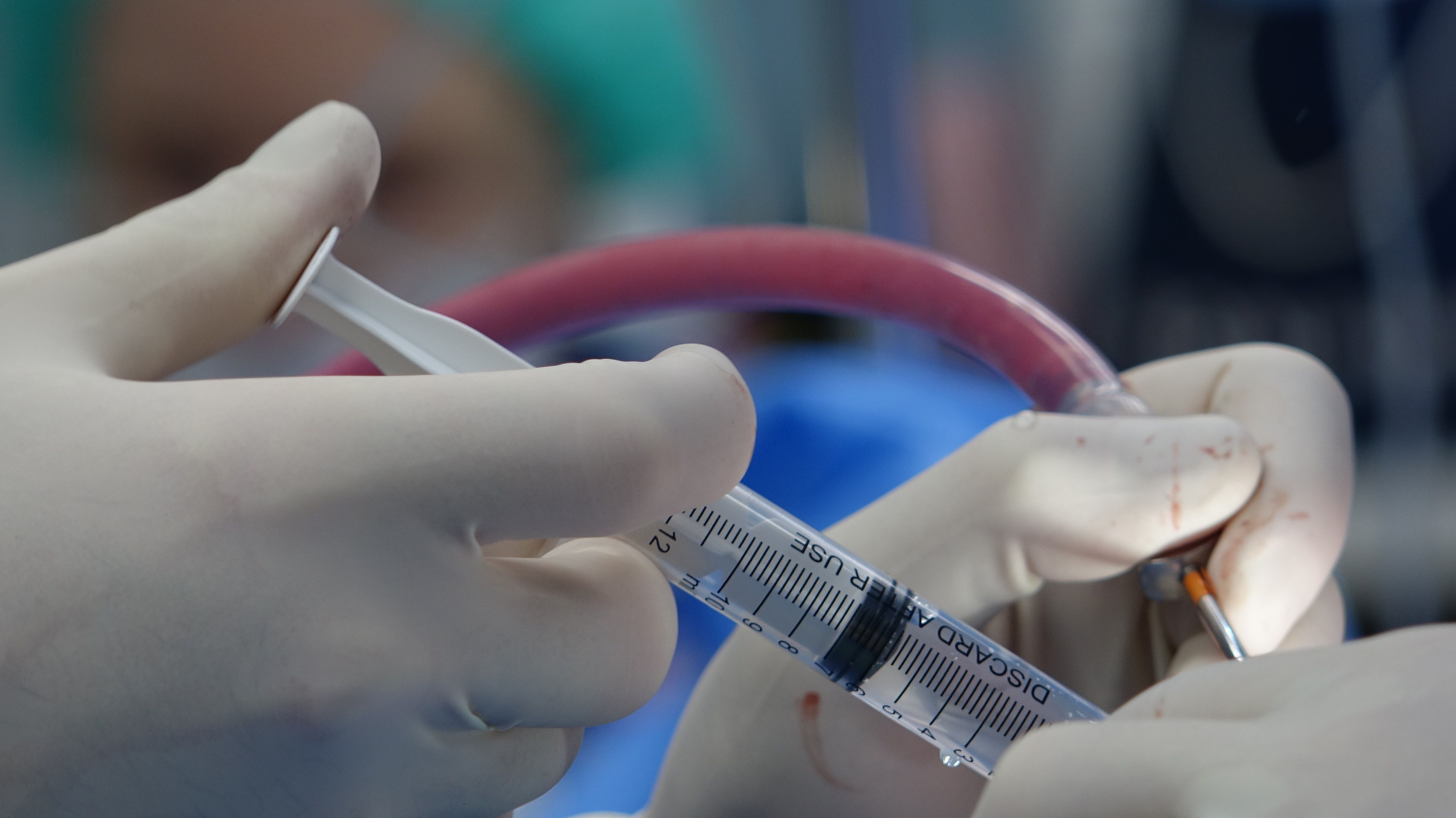
Watch the person who is watching everything else
An operating-theatre visit can draw a student’s attention towards the procedure at the centre of the room. Anaesthesiology is easier to miss when its work is proceeding as intended. That makes it a difficult specialty to judge from a brief observation or a list of procedures learned during internship.
To understand the branch, follow responsibility before, during and after the operation. This is a career perspective, not guidance on administering anaesthesia or managing a patient. The question is whether you want to develop the concentration, preparation and team judgment the work requires.
Preparation is part of the expertise
The NBEMS anaesthesiology curriculum covers scientific foundations, assessment, perioperative responsibilities and areas including resuscitation. Its scope helps explain why the specialty cannot be reduced to administering a drug at the start of an operation. Training connects knowledge with preparedness and continuing attention.
When observing with permission, ask how the team prepares for the planned work and allocates responsibility. Which discussions happen before the patient enters the room? How are uncertainties raised? You do not need access to confidential notes to recognise whether preparation is structured or left to last-minute improvisation.
Staying attentive is active work
Some students prefer visible bursts of action and underestimate sustained vigilance. Ask yourself whether you can remain engaged when a task requires continuous attention rather than frequent novelty. The branch rewards interest in how several pieces of information fit together, not only the ability to recall isolated facts.
A useful observation exercise is to notice communication: who speaks, when information is repeated and how a change becomes a shared concern. Discuss the pattern afterwards with a supervisor without attempting to draw independent clinical conclusions. The professional skill includes making important information clear enough for a team to act on it.
Handover gives the career a longer time horizon
A case ending in theatre does not make every responsibility disappear. Ask how the department teaches transitions, documentation and accountability between teams. These are opportunities to see whether a programme treats continuity as part of training or simply as something residents pick up under pressure.
The quality of that learning is difficult to capture in a headline count of cases. Ask a trainee what feedback they receive about preparation and communication, not just technical tasks. A programme should help them understand why an approach was appropriate and where their judgment still needs development.
The working relationship is unusually important
Anaesthesiologists work alongside other professionals whose priorities and pressures may differ. Ask how disagreements are handled in the institution you are considering. Can a junior raise a concern? Is support available when the proposed work exceeds their experience? A department’s answer matters more than a reassuring claim that everyone gets along.
Consider a hypothetical first job with attractive pay but uncertain senior cover. Compare it with a role offering a defined team and a clear schedule. The financial difference deserves examination, but so does the responsibility you would carry when the usual support is absent. Do not accept ambiguity as a compulsory rite of passage.
There is more than one employment model
Investigate hospital posts, teaching roles and other arrangements that match your qualifications. Do not assume the same duties, hours or benefits attach to every anaesthesiology position. Written terms should explain planned work, on-call expectations, leave and the way additional duties are handled.
If further focused training interests you, identify the work it enables and check current eligibility and recognition with the relevant authorities. A course title alone does not establish the scope of a role. Speak to someone working in the setting you might eventually enter, including what infrastructure and team support their practice depends on.
Ask better questions during a department visit
Instead of asking whether the branch is “good,” ask what residents find hardest to learn. Ask how feedback differs between early and later training, what happens after a difficult event and where teaching time sits within service duties. These questions reveal whether the institution develops judgment as deliberately as it allocates work.
Use the linked curriculum to understand the professional territory, then check the current programme documents for application details. Training requirements and service conditions should be verified for the exact institution and admission year rather than copied from an older document.
Anaesthesiology may suit someone who values preparation, physiology, teamwork and responsibility without needing to occupy the most visible position. Its contribution is not smaller because patients or students notice it less. Choose it after examining the work closely enough to understand what successful, attentive practice asks of the person doing it.